
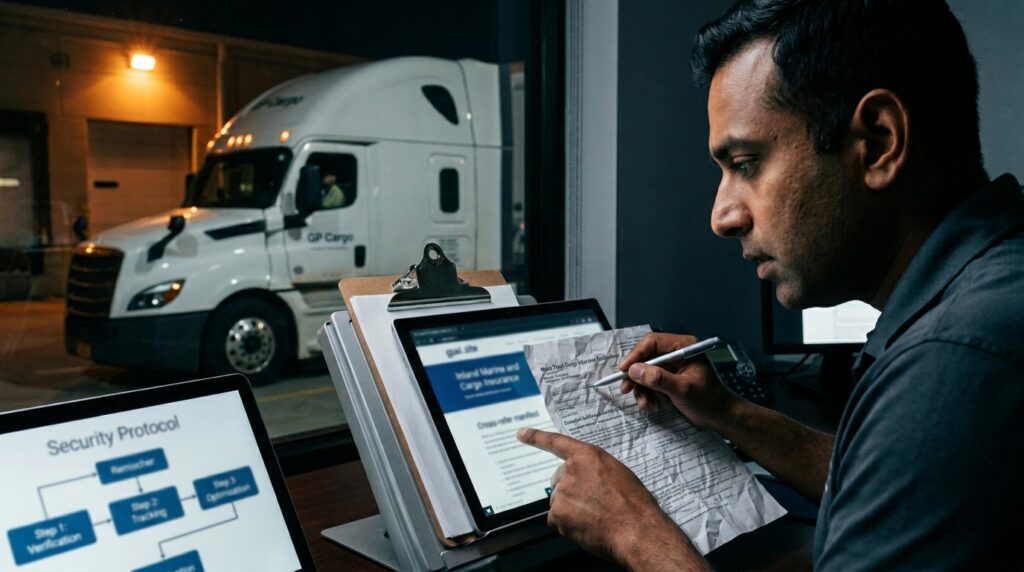
Three months ago, I was tracking an ultra-high-value shipment of consumer electronics moving out of a fulfillment hub near the Port of Los Angeles. The load had been cleanly tendered through our digital freight network to what appeared to be a flawless five-star carrier. The truck’s GPS pinged exactly where it was supposed to be along Interstate 10, and our automated logistics dashboard showed the route on schedule.Then, the delivery window came and went. The receiver’s loading dock in Phoenix reported a total no-show.When we frantically checked our hardware pings, the tracking portal suddenly glitched out. The real carrier—a small family-owned fleet in Ohio—called us back completely confused. They had never booked the load. Cybercriminals had used an advanced credential-harvesting exploit to clone the carrier’s identity, bypass our platform’s fraud filters, and execute a flawless fictitious pickup. The shipment, worth an out-of-pocket $274,000, was completely gone, redistributed into black-market online resale channels before we even realized a crime had been committed.When I filed the claim under our standard commercial property policy, I hit a massive brick wall. The adjuster pointed to the fine print: our standard policy covered assets inside our designated warehouse structure, but once those goods crossed the threshold of the shipping bay door and hit the road, our coverage completely stopped.That devastating quarter-million-dollar lesson threw me headfirst into the complex world of Inland Marine and Motor Truck Cargo Insurance. In an era where organized cargo crime rings are using GPS spoofing, carrier impersonation, and AI-driven identity fraud, protecting your goods in transit requires a specialized asset shield.Let’s break down the realities of modern cargo risk, evaluate the top Inland Marine carriers for 2026, and map out a step-by-step strategy to keep your logistics operation watertight.The Freight Deception Reality: Why Traditional Security Is BrokenThe logistics landscape has fundamentally shifted. While “smash-and-grab” cargo hijacks at truck stops still occur, the real damage is being driven by strategic cargo theft. According to recent CargoNet data, supply chain crime events are hitting historic highs, with losses exceeding billions annually. Organised groups are concentrating heavily on major logistics hubs, with a particular focus on California and a massive surge in the New York/New Jersey metropolitan areas.The challenge is that modern cargo criminals don’t use crowbars; they use keyboards. They buy clean, aged operating authorities on peer-to-peer marketplaces, hack into freight brokers’ load boards via remote access trojans, and use AI to automate phishing emails at scale.If your cargo is picked up by a fraudulent identity scam, traditional insurance carriers will often argue that you voluntarily parted with the property, completely denying the claim under standard theft provisions. To survive this environment, you need an Inland Marine policy that explicitly features affirmative Deception and Fraudulent Pickup endorsements.Logistics & Cargo Theft Protection Directory (Top Inland Marine Carriers)When a load goes missing, you can’t afford to deal with a generalist underwriting desk that doesn’t understand freight logistics. The comprehensive directory index below analyzes the leading B2B Inland Marine and cargo underwriters based on financial stability, digital integration capabilities, and specialized theft protections:Provider NameAM Best RatingBest Algorithmic Matching ForKey Strategic Theft FeatureSpecialized Claims Processing1. TravelersA++ (Superior)Freight Forwarders & Multi-Modal ShippersBroad Fraudulent Pickup Buybacks (Includes Cyber-Enabled Theft)24/7 dedicated supply chain risk control desk2. The HartfordA+ (Superior)Midsize Fleets & Growing B2B BrokersAdvanced Tech Equipment Breakdown & In-Transit InterruptionHighly responsive, time-sensitive logistics claims resolution3. ChubbA++ (Superior)Ultra-High-Value Electronics & PerishablesAdvanced Risk Engineering & GPS Spoofing ShieldsGlobal infrastructure with custom high-limit capacities4. NationwideA (Excellent)Growing Logistics Providers & 3PL HubsStrong Core Equipment & NCCI Class Code SyncIntegrates behavioral telematics data into policy credits5. Liberty MutualA (Excellent)Fleet Operators & Multi-Vehicle HaulersFlexible operational radius limits to control base premium costsStrong cross-line integration with commercial general liability6. Great AmericanA+ (Superior)Specialized Dry Van, Reefer, & Flatbed HaulersCustom-tailored motor truck cargo standalone formsDeeply specialized ocean and inland marine heritage specialists
Deconstructing the Coverage: The Key Policy Clauses You Must Check
When you open a policy contract with an Inland Marine underwriter, don’t just look at the premium cost. You need to perform a deep structural audit of three critical clauses that dictate whether your claim gets paid or rejected:
1. Fictitious Pickups vs. Voluntary Parting Exclusions
This is where the financial battle is won or lost. A standard transit policy contains a “voluntary parting” exclusion, meaning if you hand the keys or the bill of lading to a driver who turns out to be a scammer, the carrier won’t pay. You must ensure your broker attaches a Fictitious Pickup Endorsement. This explicitly overrides the exclusion, confirming that if you are deceived by a cloned carrier profile despite exercising reasonable diligence, the loss is fully covered.
2. The “Per Occurrence” Aggregation Trap
If an organized crime ring targets your supply chain and intercepts three separate truckloads of your inventory over a holiday weekend, how will your underwriter treat the loss? If the policy language groups these thefts under a single continuous “occurrence,” your total payout will be capped at a single policy limit—frequently leaving you heavily underinsured. Verify how your carrier interprets series-based strategic thefts and ensure your limits match your maximum multi-shipment exposure.
3. Cyber Exclusion Language (LMA5403 and Beyond)
Because strategic cargo theft frequently begins with compromised email servers or digital load board manipulation, underwriters are increasingly inserting strict cyber exclusions (such as version LMA5403). If your cargo policy features this raw exclusion, the carrier can entirely deny a physical cargo theft claim simply because the criminals used a computer to initiate the fraud. Work with specialists like Travelers or Chubb to secure a clean Cyber Buyback Endorsement that affirms coverage for physical theft triggered by digital deception.
Step-by-Step Strategy: How to Setup and Optimize Your Cargo Shield
If you are shipping high-value commodities and need to secure an airtight, cost-effective Inland Marine structure, implement this precise step-by-step framework:
Step 1: Implement Lifecycle Identity Verification
Before tendering any high-value load, establish a verification protocol that extends beyond basic carrier onboarding tools. Force drivers to send a real-time photo of their physical commercial driver’s license (CDL) and matching tractor/trailer license plates through a secure app node. Cross-reference these details against the FMCSA registry before releasing the cargo. Showing this active risk-mitigation framework to underwriters at Travelers or Chubb is the fastest way to lower your risk index and unlock lower deductibles.
Step 2: Use Covert High-Frequency Asset Trackers
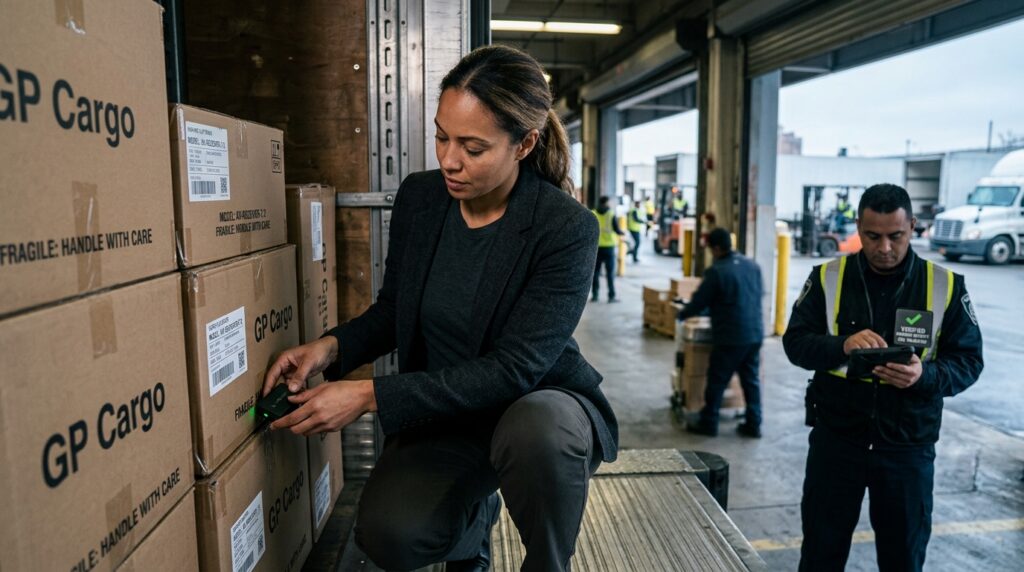
Do not rely solely on the truck’s factory telematics or the driver’s smartphone location data, which can easily be bypassed via commercial GPS spoofing devices. Hide an independent, high-frequency cellular/GPS tracker (such as a Geotab asset tag or a Tive solo beacon) deeply inside the physical cargo packaging itself. If the truck diverts from its geofenced route, the internal cargo tracker will trigger an immediate alert directly to your dashboard, allowing you to notify law enforcement before the load hits an illicit cross-dock facility.
Step 3: Calibrate Deductibles to Absorb Minor Leakage
If your logistics operation maintains an established emergency cash reserve, avoid low $1,000 deductibles. Set your cargo policy deductible to $5,000 or $10,000. By absorbing minor shipping scratches or cosmetic transit dings out-of-pocket, you signal to the insurance carrier’s automated underwriting scripts that you are not using the policy for basic maintenance. This structural adjustment slashes your flat annual premium, allowing you to maximize your total policy limits cheaply.
Common Risks: Blunders That Will Void Your Transit Claim
Avoid these frequent operational errors when managing your inland cargo coverage:
- Ignoring Target Commodity Restrictions: Insurance companies maintain strict lists of restricted target commodities—typically high-end electronics, seafood, designer apparel, and fine wines. If you quote a generic “dry van merchandise” load but actually ship a full truckload of high-value smartphones, the carrier’s special investigation unit will void the claim instantly for failure to disclose material cargo values.
- Violating Unattended Vehicle Clauses: Many non-standard cargo policies feature a strict “Unattended Vehicle” exclusion. If a driver parks a loaded trailer at an un-fenced truck stop or an un-monitored drop lot overnight to take a mandatory rest break, and the cargo gets stolen, the claim will be denied if the vehicle was left unsecured. Ensure your logistics contracts mandate that loaded trailers can only dwell at pre-approved, high-security yards featuring physical perimeter gates and 24/7 video monitoring.
- Mislabeled Geographic Boundaries: If your business is incorporated in Texas but you frequently ship inventory cross-border to fulfillment nodes in Mexico or Canada, check your policy’s geographical definitions page. Standard U.S. Inland Marine policies stop protecting your assets the exact millimeter they cross an international border. Always request a clear geographic extension rider to cover the entire cross-border lane lifecycle.
Final Takeaway
Navigating the logistics sector requires relentless focus, but leaving your freight assets exposed to modern, tech-enabled crime rings is an unnecessary gamble. A single fictitious pickup or a coordinated identity-theft scam shouldn’t have the power to derail your entire operational momentum or drain your company’s cash reserves.
Take absolute control of your supply chain security by selecting a specialized, high-tier carrier from our Inland Marine index that understands the modern convergence of physical transport and cyber risk. Secure your fraudulent pickup endorsements, deploy hidden, independent asset tracking devices, and align your deductible limits. Once your cargo is fully insulated by an enterprise-grade transit shield, you can book loads with complete confidence and scale your logistics networks safely.
What specific type of commodity or high-risk lane are you currently trying to protect?